August 7, 2026
Electricity powers modern daily existence, silently operating behind walls to run essential appliances, illuminate living spaces, control indoor climate systems, and keep digital devices charged. Because electrical infrastructure remains largely invisible, many property owners take its continuous operation for granted until sudden power disruptions, unexpected equipment failures, or safety concerns occur. Understanding how residential power systems operate, evolve, and degrade helps homeowners make informed decisions regarding property safety, energy management, and system upgrades. Engaging a qualified electrical contractor bridges the gap between complex building codes and home safety. By learning the fundamental facts that industry experts wish every property owner understood, individuals can better protect their investments, reduce energy waste, and maintain a secure living environment for years to come.
Understand Modern Power Demands
Modern households consume vastly more power today than living spaces did in past generations. High-definition televisions, multi-stage HVAC units, induction cooktops, home automation hubs, and electric vehicle chargers place unprecedented demand on residential distribution systems. Older electrical panels and traditional distribution setups struggle to handle these high-demand technological additions safely. When total power draws exceed historical design limits, circuit breakers trip repeatedly, lights flicker during heavy appliance startup, and sensitive internal electronics risk permanent operational harm.
Property owners often misinterpret frequent breaker trips as minor inconveniences rather than clear warning signals. Breakers trip specifically to prevent power lines from overheating and igniting surrounding building materials. Continuous power demand without adequate panel capacity creates internal thermal stress throughout the entire property. In addition to tripping breakers, overloaded circuits often cause subtle electrical noise, excessive heat buildup near wall switches, and voltage drops that prematurely wear down delicate motor compressors in appliances. Consulting a skilled electrical contractor enables homeowners to evaluate total household power usage, assess panel capacity, and plan necessary service upgrades to accommodate modern technological lifestyles seamlessly.
Upgrade Outdated Wiring Infrastructure
Hidden beneath drywall, floorboards, and ceiling plaster, vast networks of metal conductors carry electricity to every room. According to Forbes, a home requires one foot of wiring per square foot of space. This massive internal distribution web experiences gradual wear due to continuous thermal expansion, physical building settling, and natural insulation degradation. Legacy wiring styles, including vintage knob-and-tube setups or ungrounded mid-century conductors, lack the grounding protection and heat tolerance required by contemporary appliances.
Replacing aging conductors protects structural integrity and reduces internal fire risks. Older insulation materials dry out over time, becoming brittle and flaking off to expose raw copper or aluminum conductors. Exposed wires inside wall cavities invite dangerous short circuits, hidden heat buildup, and destructive arcing events. Furthermore, vintage wiring lacks dedicated equipment grounding paths, leaving modern sensitive computer equipment vulnerable to static buildup and stray voltage. A licensed electrical contractor can inspect hidden conduit runs, test conductor insulation quality, and systematically replace hazardous vintage wiring with modern grounded conductors, ensuring long-term safety across the entire building footprint.
Recognize Critical Safety Hazards
Electrical hazards often develop quietly, displaying subtle warning signs before severe damage or structural fires occur. Property owners who know how to identify these early warning indicators can take action before minor issues become major emergencies. Discolored outlet faceplates, warm wall switches, mild burning odors near appliances, and faint buzzing sounds inside wall cavities all signal improper connections, dangerous arcing, or internal component overheating.
Ignoring these physical red flags places residents at severe risk of electrical shock or sudden structural fires. Installing specialized protective devices, such as ground fault interrupters and arc fault interrupters, adds critical safety layers that automatically halt current flow when unexpected power leaks or dangerous sparking occur. Ground fault units monitor balance between outgoing and returning current to prevent shocks, while arc fault breakers detect subtle sparking inside wall spaces before ignition happens. Recognizing these early warning indicators empowers property owners to contact a professional electrical contractor quickly to diagnose hidden system flaws and rectify hazards before safety is compromised.
Avoid Dangerous DIY Pitfalls
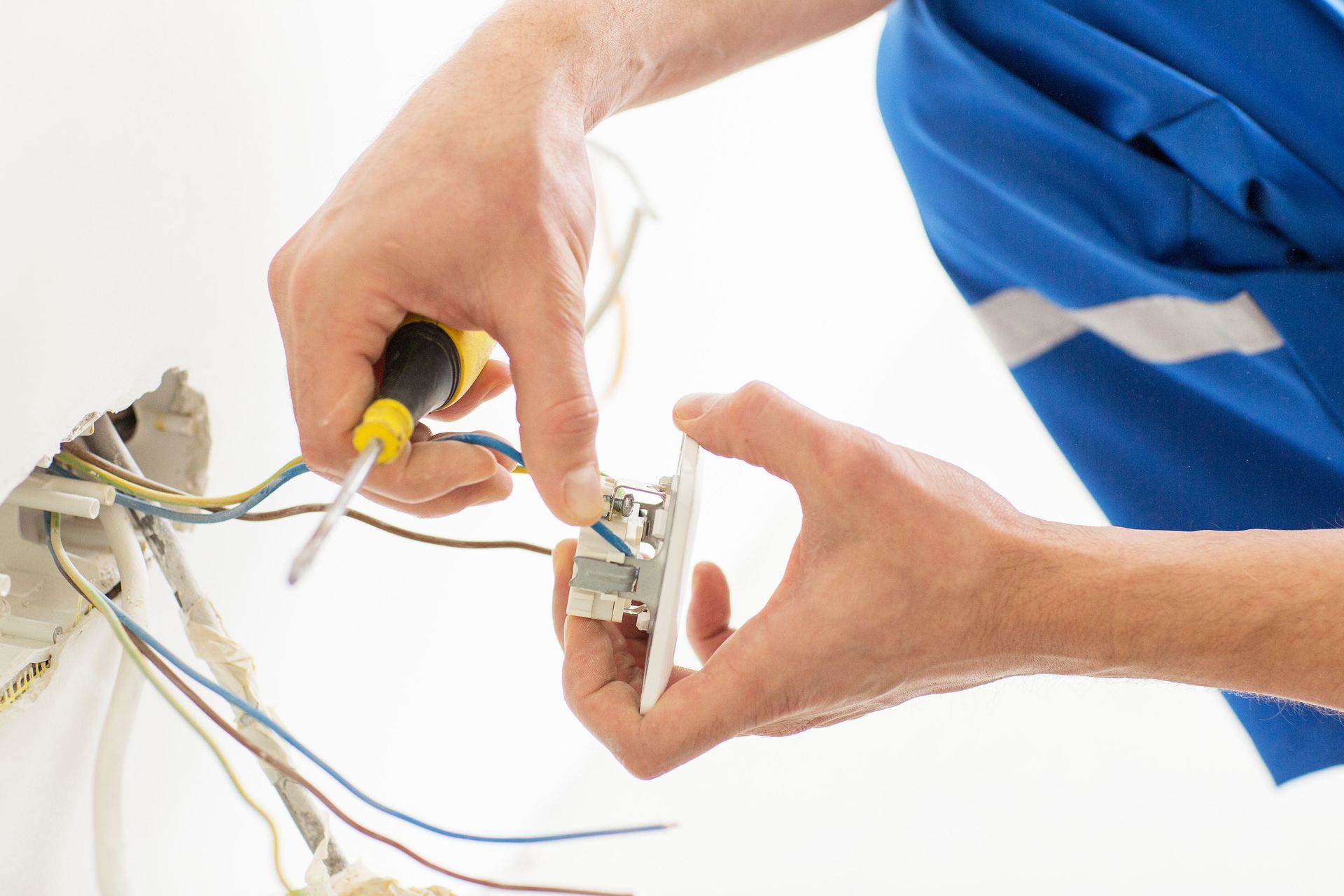
The widespread availability of online video tutorials encourages many homeowners to attempt independent electrical modifications, additions, and repairs. However, handling electrical infrastructure involves life-threatening hazards that set it apart from simple cosmetic home improvement tasks like painting or installing trim. Minor mistakes, such as improper conductor sizing, reversed polarity, loose wire connections, or overfilled junction boxes, violate building codes and create severe shock and fire hazards hidden inside walls.
Furthermore, executing unpermitted electrical work independently can complicate property sales and lead to denied insurance claims following fire incidents. Certified installation ensures strict compliance with national safety codes and local building regulations. Professional installers utilize calibrated torque instruments to ensure every screw connection meets manufacturer standards, preventing loose terminals that trigger heat spikes. Partnering with a professional electrical contractor protects both personal safety and financial investments, providing official documentation that all wiring modifications meet strict industry standards and pass municipal safety inspections.
Prioritize Regular Preventative Maintenance
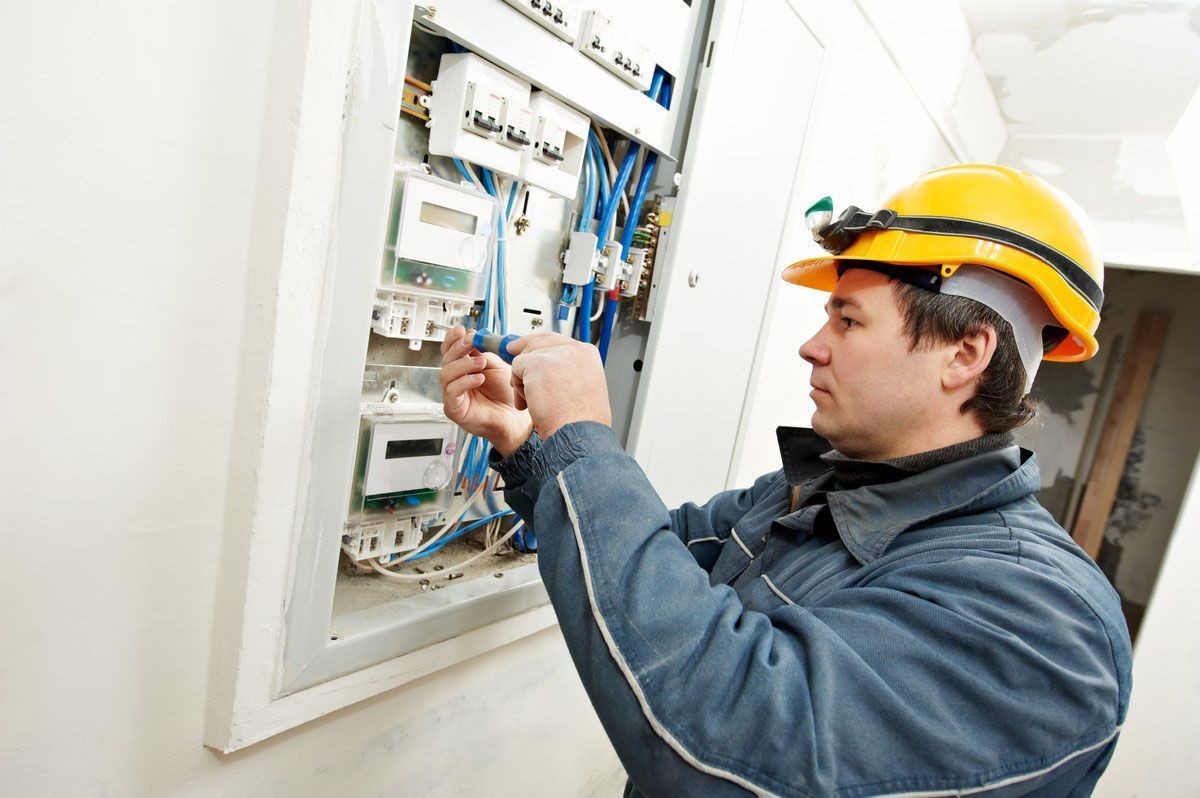
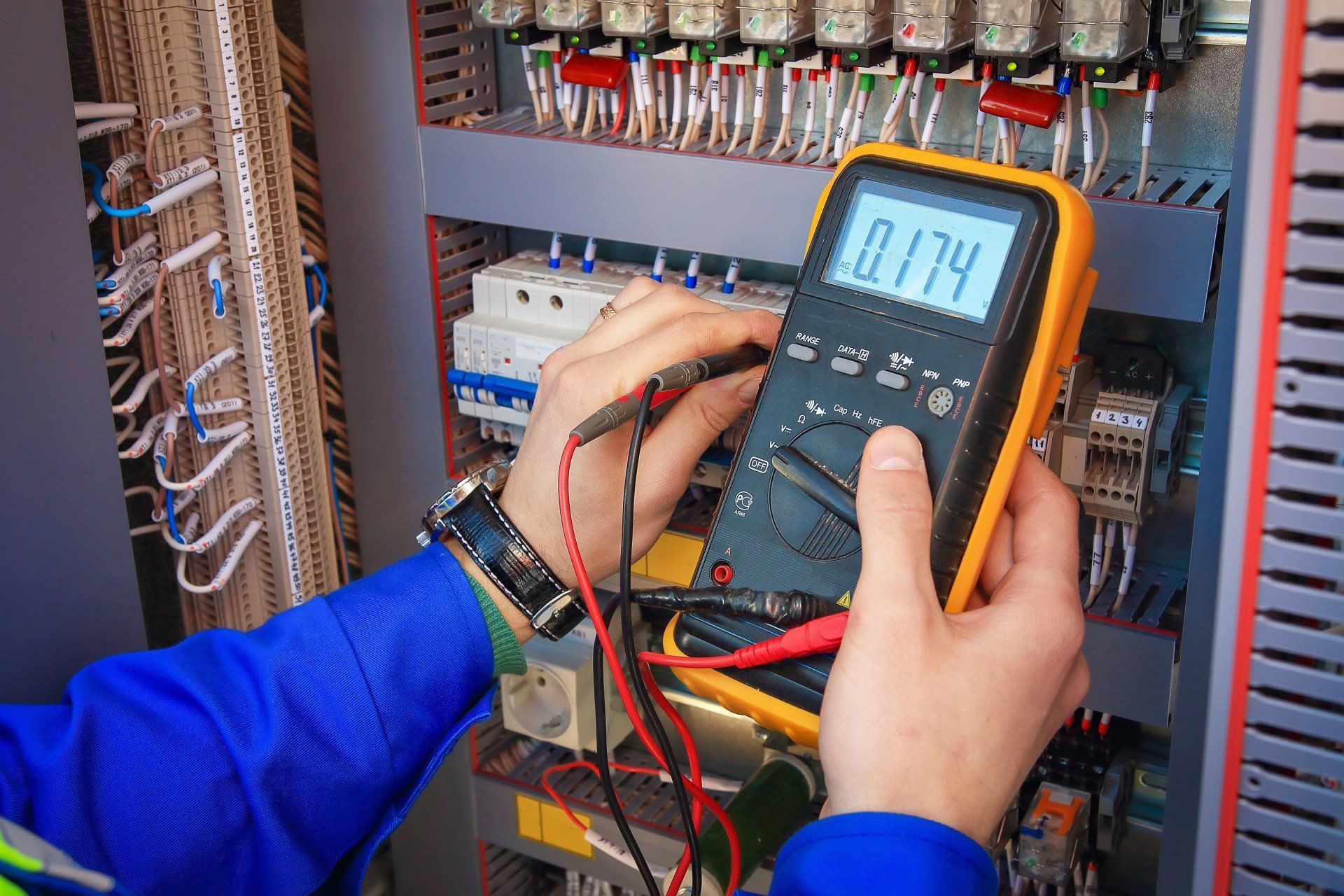
Most property owners only give thought to their electrical setups during major outages or sudden equipment breakdowns. However, proactive system evaluations prevent unexpected emergencies, extend appliance lifespans, and optimize energy efficiency. Regular maintenance tasks—such as tightening loose panel connections, checking grounding rod integrity, evaluating surge protection devices, and balancing panel loads—keep current flowing smoothly throughout the property. Over time, thermal cycling causes terminal screws inside breaker panels to back out slightly, creating resistive heat that can damage expensive breaker assemblies.
Whole-house surge protection represents an exceptionally vital preventative measure for modern homes. Sudden utility grid shifts, nearby lightning activity, and major internal motor cycling generate transient voltage surges that degrade delicate computer chips, smart appliances, and heating controls over time. Installing multi-stage surge suppressors directly at the primary breaker panel absorbs stray energy spikes before they travel down branch circuits. Scheduling periodic inspections with an experienced electrical contractor identifies minor physical wear, loose connections, and surge risks early, allowing minor corrections before costly emergency repairs become necessary.
Partner With Licensed Specialists
Selecting the right professional for system modifications requires verifying credentials, active state licensing, and comprehensive insurance coverage. Master specialists undergo years of intensive technical education, complete rigorous field apprenticeships, and demonstrate thorough mastery of complex safety codes before earning their credentials. Licensed specialists carry liability insurance and worker compensation protection, shielding property owners from financial risk during project execution.
Beyond basic code compliance, certified specialists stay current on emerging energy technologies, including solar power integration, battery storage systems, heat pump infrastructure, and smart energy management platforms. Working alongside qualified specialists guarantees that installations incorporate modern efficiency standards, durable components, and safe installation methodologies customized to specific property needs. These technical experts also help evaluate local utility incentive programs, guiding homeowners toward cost-effective equipment choices that lower monthly utility bills over time. Establishing a relationship with trusted professionals provides reliable support whenever routine maintenance or emergency services are required.
Maintaining a safe, reliable, and efficient residential electrical system requires continuous awareness, timely upgrades, and professional oversight. From recognizing the immense power demands of contemporary lifestyle electronics to replacing aging conductors hidden behind wall surfaces, taking a proactive approach prevents catastrophic hazards and protects financial investments. Investing in expert installations, modern safety devices, and routine preventative inspections keeps power flowing safely through every room while optimizing long-term energy consumption. When structural electrical updates, panel upgrades, or safety assessments are needed, working with certified specialists delivers complete confidence and long-term peace of mind. At Schmit Electric, we are dedicated to powering homes safely, efficiently, and reliably through expert service tailored to your unique energy requirements. Contact us today to learn more.