November 25, 2026
A property's electrical system supports lighting, appliances, heating, and everyday equipment. Unusual changes may signal problems that require professional attention. In Wisconsin, seasonal demands can affect electrical systems, from winter heating to summer cooling. Workshops, commercial buildings, and storage areas also have specific power requirements. Recognizing when electrical services storage needs require evaluation can help property owners maintain dependable systems and address concerns before they cause disruptions or damage.
1. Noticing Frequent Breaker Trips
Circuit breakers protect electrical systems by interrupting power when a circuit experiences an overload or another problem. An occasional trip can happen when several high-demand appliances operate on the same circuit. However, repeated breaker trips may indicate an underlying issue that deserves professional attention.
An overloaded circuit is one possible cause. Homes and businesses often add electronics, appliances, and equipment over time, increasing the amount of electricity used throughout the property. Older electrical systems may not have been designed to support these newer demands. Damaged wiring, short circuits, and ground faults can also cause breakers to trip repeatedly.
Pay attention to patterns, such as a breaker that trips whenever a particular appliance operates or a circuit that cannot support normal household use. These situations may indicate that the electrical system needs troubleshooting or an evaluation of its capacity. A qualified electrician can identify the cause and determine whether repairs, circuit changes, or a panel upgrade are appropriate.
This concern also applies to workshops and storage facilities. Equipment, lighting, and climate-control systems can place additional demands on electrical circuits. If electrical services storage requirements have changed because a property now uses more equipment or has added new spaces, a professional assessment can help determine whether the existing system is adequate.
2. Experiencing Flickering or Dimming Lights
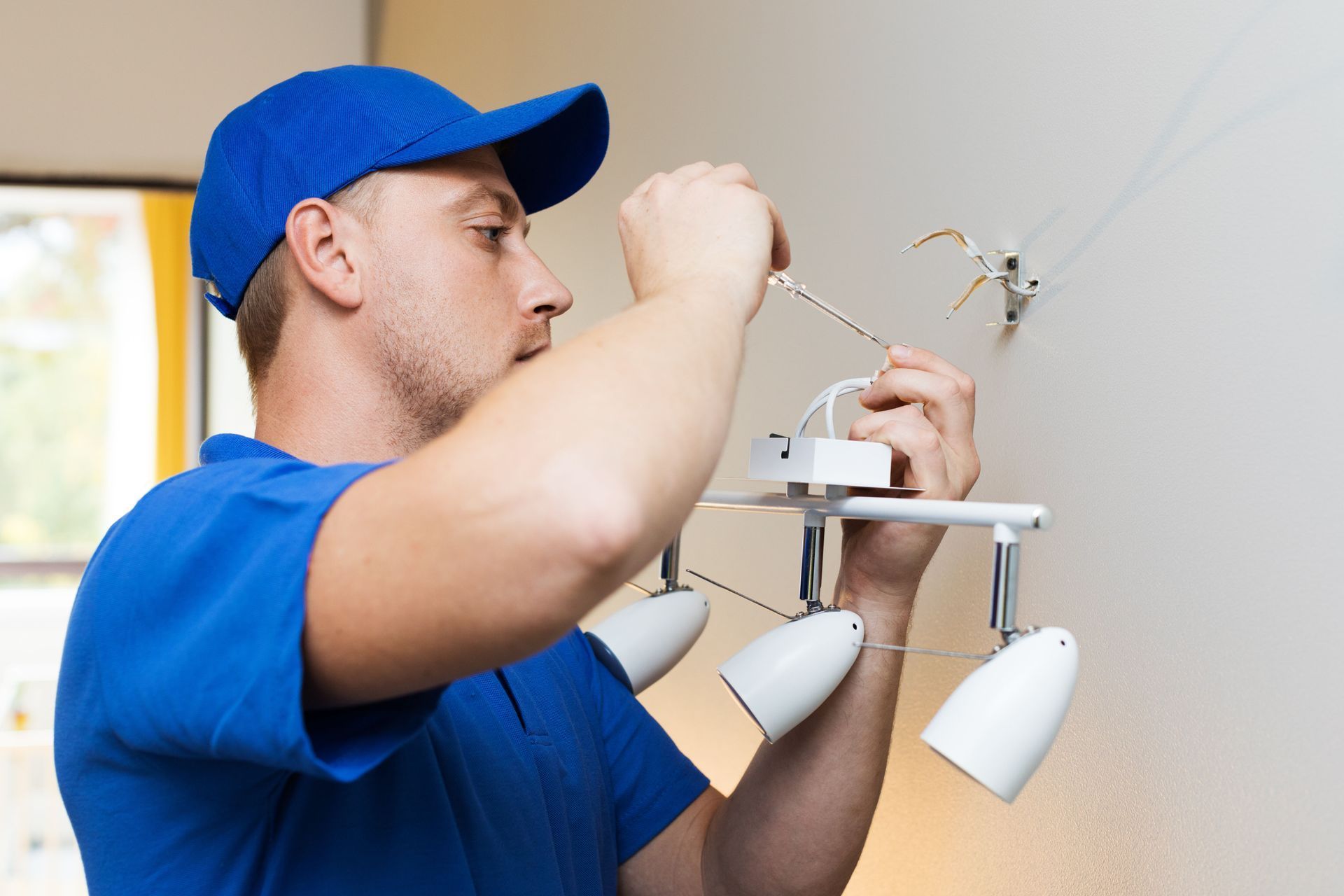
Lights that flicker, dim unexpectedly, or change brightness when an appliance starts may indicate an electrical problem. While a loose bulb can sometimes explain a single lighting issue, recurring changes across multiple fixtures deserve closer attention.
Large appliances can draw substantial power when starting. If lights consistently dim when heating equipment, air conditioners, or other major appliances turn on, the electrical system may be experiencing an issue with circuit capacity, connections, or distribution. Flickering that occurs without an obvious pattern may also point to loose wiring or another connection problem.
The location of the symptoms can provide useful information. If several lights in one room behave unusually, the issue may involve a particular circuit. If lighting changes throughout the property, the concern could involve a larger portion of the electrical system. An electrician can inspect the affected components and determine what is causing the changes.
Seasonal conditions can make these symptoms more noticeable in Wisconsin. During colder months, furnaces and other heating equipment may operate more frequently, increasing electrical demand. Commercial buildings may also experience changes when seasonal equipment is brought into use. Property owners planning electrical services storage improvements should consider whether lighting and power needs have changed as spaces are repurposed or expanded.
3. Detecting Warm Outlets or Burning Odors
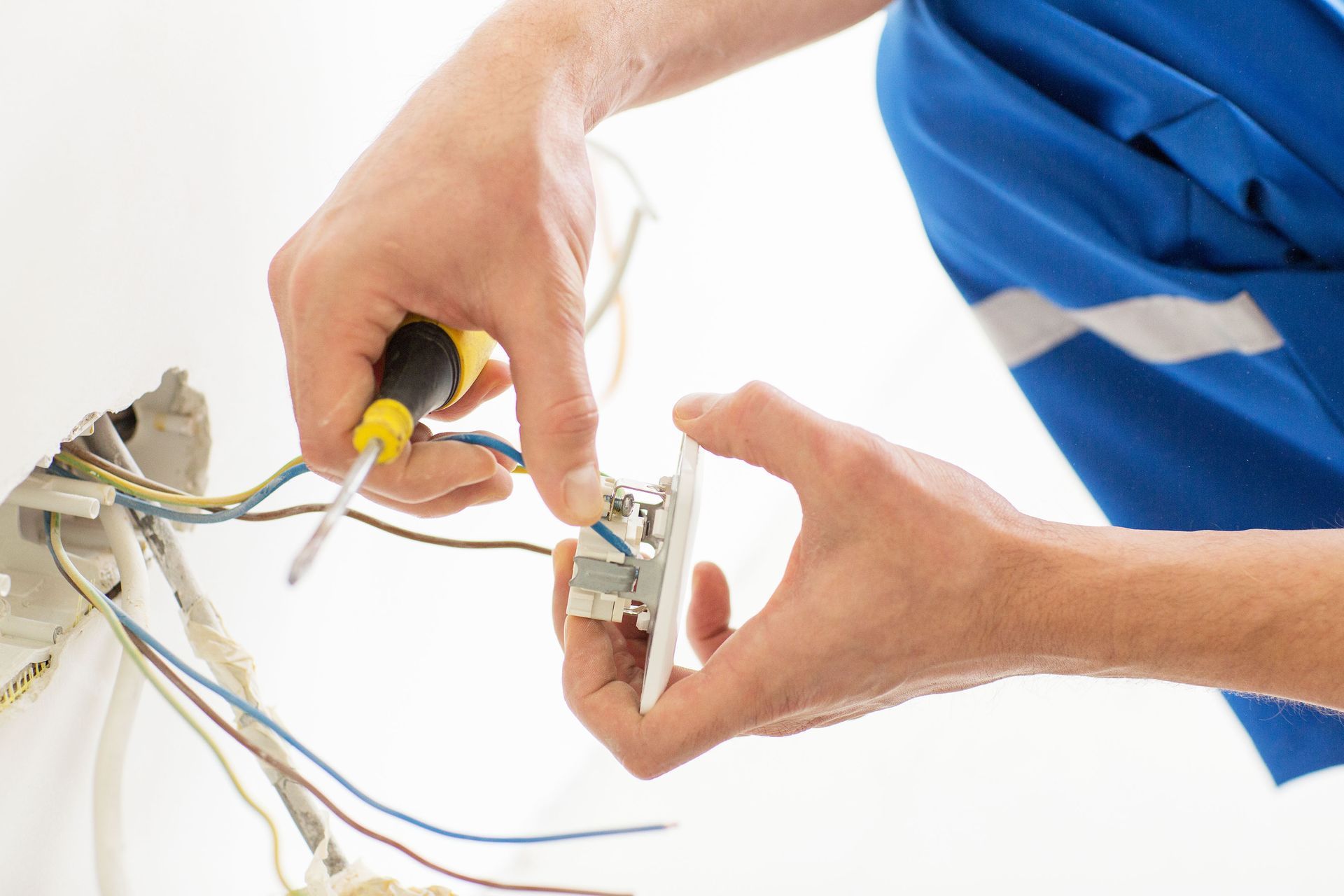
Outlets and switches should not become unusually hot during normal operation. Warm outlet covers, discoloration, buzzing, crackling, or a burning smell can signal an electrical problem that requires prompt attention.
These warning signs may be associated with loose connections, damaged wiring, overloaded circuits, or deteriorating electrical components. Heat can develop when electricity encounters excessive resistance at a connection. If the issue continues, surrounding materials may become damaged, increasing the risk of an electrical fire.
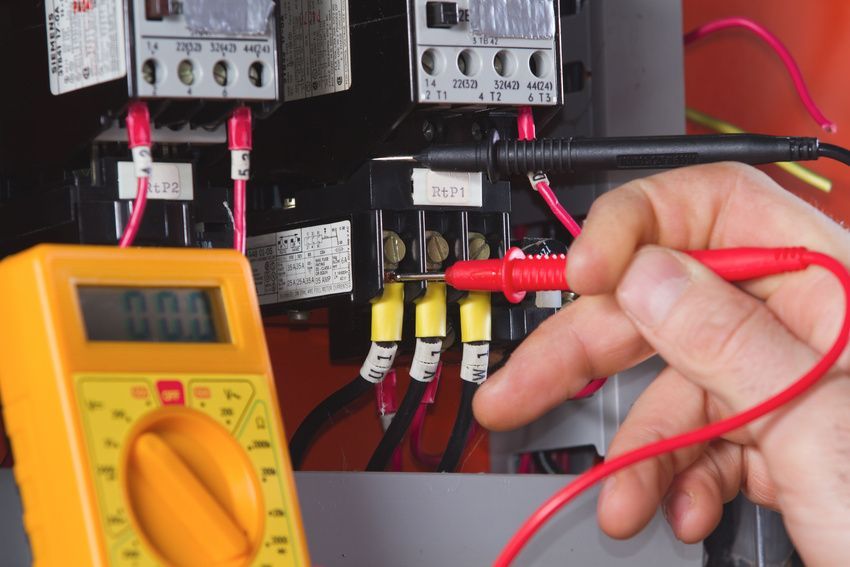
According to Better Homes and Gardens, a working electrical outlet should provide between 110 and 120 volts. Although voltage readings can help describe electrical performance, an outlet's condition cannot be determined by voltage alone. Physical warning signs and unusual operation should also be taken seriously.
If an outlet is smoking, sparking, or producing a burning odor, stop using it and seek qualified electrical assistance promptly. If there is an active fire or immediate danger, leave the area and contact emergency services. Avoid touching damaged components or attempting repairs.
These concerns should not be overlooked in garages, basements, utility rooms, or storage buildings. Such spaces may contain older outlets or equipment that receives less frequent attention. When electrical services storage areas show signs of overheating or damage, a professional inspection can help identify the source and determine what work is necessary.
4. Observing Outdated Wiring or Electrical Panels
Electrical systems can remain functional for many years, but older components may not meet the needs of modern properties. Changes in technology, appliance use, and building layouts can place demands on wiring and panels that were not anticipated when the original system was installed.
Warning signs may include frequently tripped breakers, outdated fuse boxes, damaged insulation, insufficient outlets, or visible deterioration around electrical components. Older properties may also have wiring configurations that require evaluation to determine whether they remain suitable for current use.
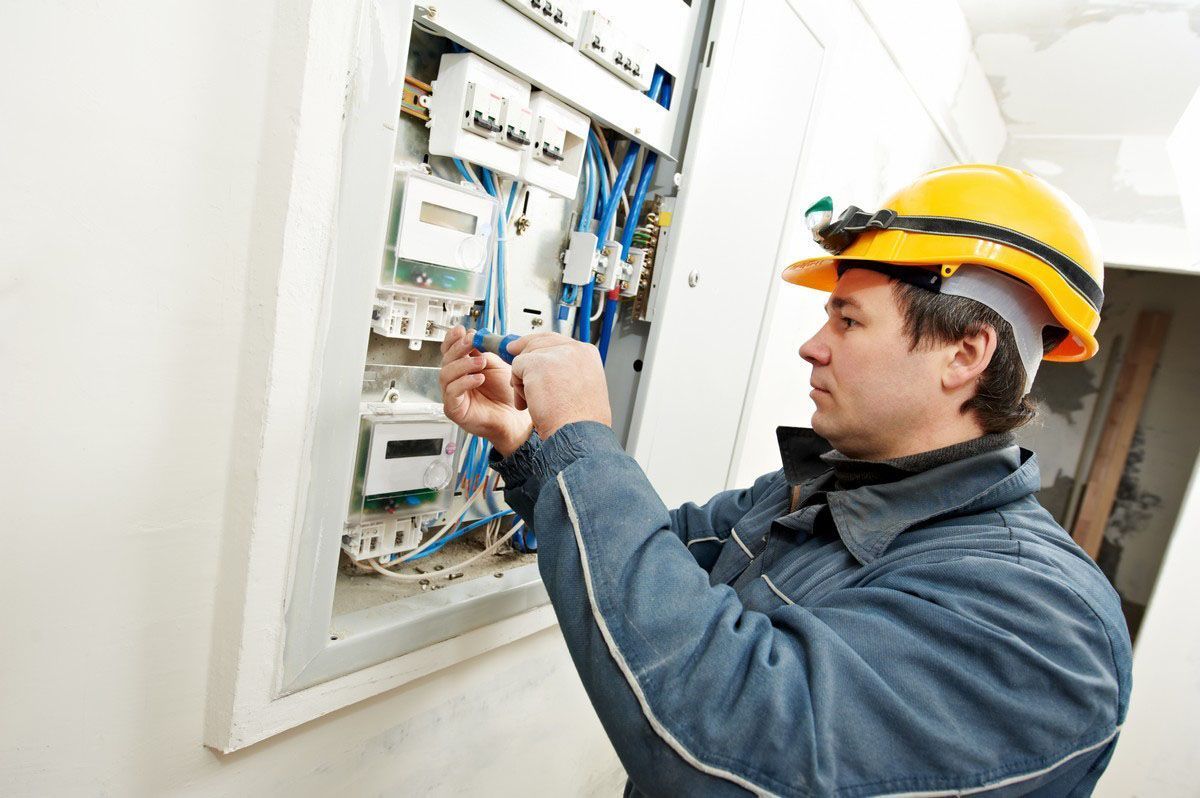
An electrical panel distributes power to circuits throughout a building. If a property has added major appliances, expanded living areas, or introduced new business equipment, the panel may need to be evaluated for capacity and condition. A professional can determine whether maintenance, repairs, or an upgrade would improve the system's ability to support the property's electrical demands.
This is especially relevant when renovating older Wisconsin homes or adapting commercial buildings for new purposes. A workshop may become a production area, or a storage room may be converted into an office. These changes can affect outlet placement, lighting requirements, and circuit demand. Planning electrical services storage improvements during a renovation can help ensure that the electrical system is considered alongside the property's new layout and intended use.
5. Struggling With Insufficient Power or Frequent Electrical Problems
A property that no longer has enough outlets, lighting, or electrical capacity for everyday activities may need a professional evaluation. Extension cords and power strips can provide temporary convenience, but relying on them to support an expanding number of devices may indicate that the existing electrical layout needs attention.
For example, a home office may require additional outlets for computers, monitors, printers, and networking equipment. A garage may need dedicated power for tools, while a commercial property may require additional circuits for machinery or specialized equipment. Storage spaces can also require dependable lighting and appropriately planned power for equipment used in those areas.
Frequent electrical interruptions can make these spaces difficult to use. A professional assessment can help determine whether the problem involves circuit capacity, outdated components, damaged wiring, or an installation that no longer suits the property's needs. Electrical services storage planning may be particularly useful when adding lighting, outlets, or equipment connections to a storage building or designated storage area.
Planning electrical improvements around future equipment and occupancy can help reduce the need for additional work after renovations. Repeated breaker trips, flickering lights, warm outlets, and outdated panels warrant professional evaluation. Wisconsin property owners should also review seasonal power demands and electrical services storage requirements to ensure their systems adequately support changing needs throughout the year.
Whether a property needs troubleshooting, an electrical inspection, wiring repairs, panel upgrades, lighting installations, or other improvements, professional attention helps keep the system aligned with its intended use. Schmit Electric provides residential, commercial, and industrial electrical services, including inspections, troubleshooting, installations, and emergency assistance. Contact the team to discuss your property's electrical concerns and schedule the service needed to keep your system operating reliably.